


Remote Patient Monitoring (RPM): How Wearable Devices Transform Healthcare Delivery
2026-06-16 17:28:59
Click:
“
Learn how Remote Patient Monitoring (RPM) powered by wearable devices enables continuous healthcare monitoring, improves chronic disease management, and transforms modern healthcare systems.
”
Introduction
Healthcare systems worldwide are undergoing a major transformation driven by aging populations, increasing chronic disease prevalence, and rising demand for continuous care.
Traditional healthcare is often reactive — patients are treated only after symptoms become severe.
Today, healthcare is shifting toward a proactive, continuous, and data-driven model enabled by Remote Patient Monitoring (RPM) and wearable health technologies.
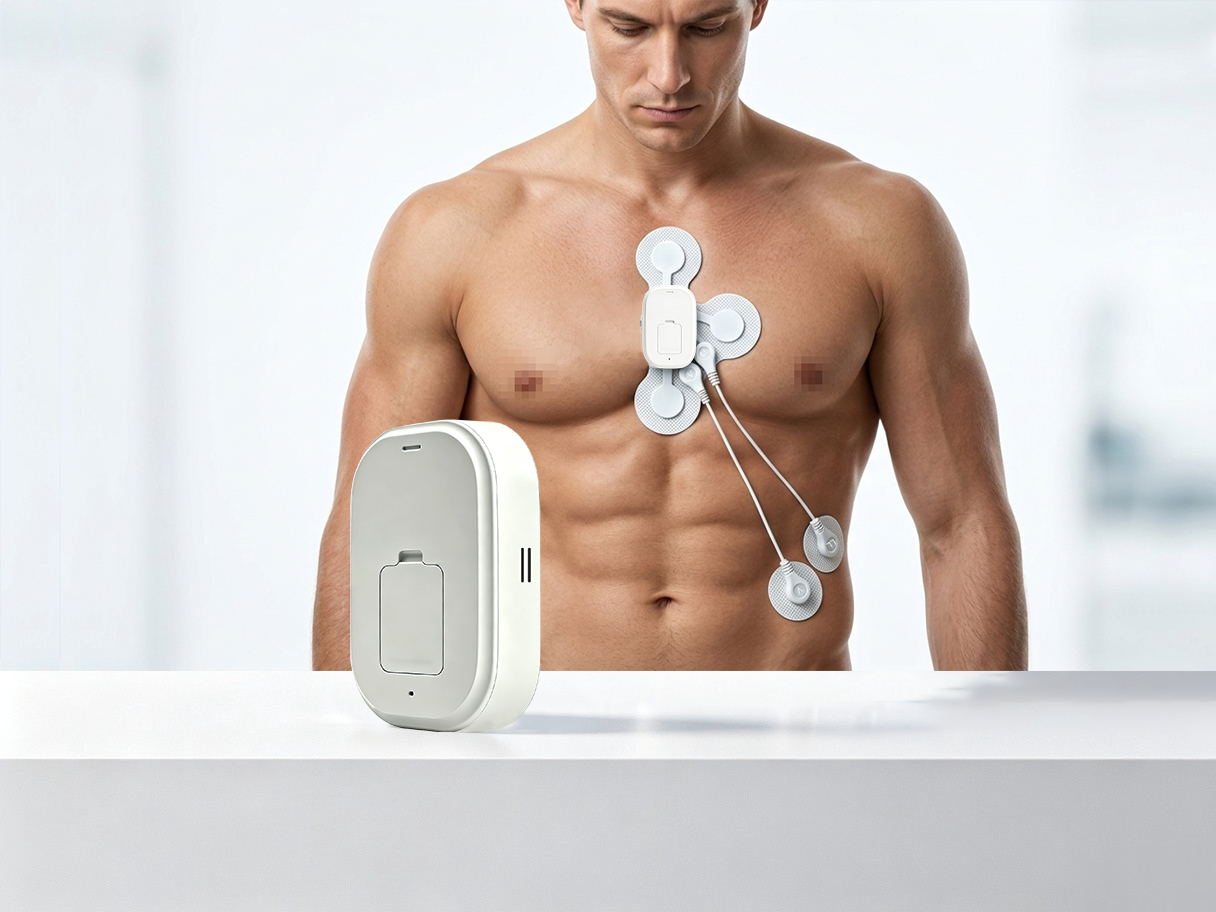
What Is Remote Patient Monitoring (RPM)?
Remote Patient Monitoring (RPM) is a healthcare delivery approach that uses digital technologies to collect patient health data outside clinical environments and transmit it to healthcare providers in real time.
An RPM system typically includes:
Wearable health monitoring devices
Mobile health applications
Cloud-based data platforms
AI-driven analytics systems
This enables continuous monitoring without requiring patients to stay in hospitals or clinics.
How Wearable Devices Power RPM Systems
Wearable devices are the core infrastructure of modern RPM solutions.
Advanced medical-grade wearables can continuously track multiple physiological parameters, including:
ECG signals and heart rate
Blood pressure trends
Blood oxygen saturation (SpO₂)
Sleep quality
Physical activity and mobility data
These devices transmit data via Bluetooth, Wi-Fi, or cellular networks to cloud platforms for real-time analysis.
This enables:
Continuous patient monitoring
Early detection of health risks
Automated alert systems
Long-term health trend analysis
https://iwownfit.com/healthcare-watches
Key Benefits of Remote Patient Monitoring
1. Improved Chronic Disease Management
RPM is widely used for managing chronic conditions such as:
Hypertension
Cardiovascular diseases
Diabetes
Respiratory diseases
Continuous monitoring enables earlier intervention and better disease control.
2. Reduced Hospital Readmissions
By monitoring patients after discharge, RPM helps reduce unnecessary hospital readmissions and complications.
3. Improved Healthcare Efficiency
RPM reduces the need for frequent hospital visits, optimizing healthcare resources and improving operational efficiency.
4. Enhanced Patient Engagement
Patients gain better awareness of their health conditions through continuous feedback, improving adherence to care plans.
Applications of RPM in Healthcare
Elderly Care Monitoring
RPM enables continuous monitoring of seniors, improving safety and enabling early detection of emergencies such as abnormal heart activity or fall risks.
Chronic Disease Management
Patients can be monitored at home, reducing reliance on hospital-based care.
Post-Hospital Recovery
Healthcare providers can monitor recovery progress after patient discharge.
Home Healthcare Services
Caregivers can deliver remote supervision using real-time health data from wearable devices.
https://iwownfit.com/solutions-heart-health
https://iwownfit.com/solutions-fall-alert-system
Technology Behind RPM Systems
Modern RPM solutions are built on the integration of multiple technologies:
IoT wearable devices
Artificial Intelligence (AI) analytics
Cloud computing platforms
Multi-device health data integration systems
These technologies enable:
Multi-parameter health tracking
Predictive risk analysis
Automated health alerts
Cross-device data synchronization
This forms the foundation of the Internet of Bodies (IoB) healthcare ecosystem.
The Future of Healthcare: From Monitoring to Prediction
The future of RPM is evolving from simple monitoring to predictive healthcare.
With AI and big data, healthcare systems are moving toward:
Early disease risk prediction
Personalized health recommendations
Automated care workflows
Fully connected healthcare ecosystems
Wearable devices will evolve into continuous health intelligence terminals rather than passive tracking tools.
Conclusion
Remote Patient Monitoring is reshaping healthcare delivery by making it more:
Continuous
Proactive
Data-driven
Patient-centered
Wearable devices and IoT platforms are at the core of this transformation.
For healthcare providers, insurance companies, and solution integrators, RPM is becoming a foundational infrastructure for modern healthcare systems.
Looking for a reliable Remote Patient Monitoring solution provider?
We provide:
Medical-grade wearable devices
Multi-parameter health monitoring systems
IoT healthcare integration solutions
OEM / ODM customization services
Contact us today to explore partnership opportunities and receive a tailored solution for your healthcare project.









Remote Patient Monitoring (RPM): How Wearable Devices Transform Healthcare Delivery
2026-06-16 17:28:59
Click:
“
Learn how Remote Patient Monitoring (RPM) powered by wearable devices enables continuous healthcare monitoring, improves chronic disease management, and transforms modern healthcare systems.
”
Introduction
Healthcare systems worldwide are undergoing a major transformation driven by aging populations, increasing chronic disease prevalence, and rising demand for continuous care.
Traditional healthcare is often reactive — patients are treated only after symptoms become severe.
Today, healthcare is shifting toward a proactive, continuous, and data-driven model enabled by Remote Patient Monitoring (RPM) and wearable health technologies.
What Is Remote Patient Monitoring (RPM)?
Remote Patient Monitoring (RPM) is a healthcare delivery approach that uses digital technologies to collect patient health data outside clinical environments and transmit it to healthcare providers in real time.
An RPM system typically includes:
Wearable health monitoring devices
Mobile health applications
Cloud-based data platforms
AI-driven analytics systems
This enables continuous monitoring without requiring patients to stay in hospitals or clinics.
How Wearable Devices Power RPM Systems
Wearable devices are the core infrastructure of modern RPM solutions.
Advanced medical-grade wearables can continuously track multiple physiological parameters, including:
ECG signals and heart rate
Blood pressure trends
Blood oxygen saturation (SpO₂)
Sleep quality
Physical activity and mobility data
These devices transmit data via Bluetooth, Wi-Fi, or cellular networks to cloud platforms for real-time analysis.
This enables:
Continuous patient monitoring
Early detection of health risks
Automated alert systems
Long-term health trend analysis
https://iwownfit.com/healthcare-watches
Key Benefits of Remote Patient Monitoring
1. Improved Chronic Disease Management
RPM is widely used for managing chronic conditions such as:
Hypertension
Cardiovascular diseases
Diabetes
Respiratory diseases
Continuous monitoring enables earlier intervention and better disease control.
2. Reduced Hospital Readmissions
By monitoring patients after discharge, RPM helps reduce unnecessary hospital readmissions and complications.
3. Improved Healthcare Efficiency
RPM reduces the need for frequent hospital visits, optimizing healthcare resources and improving operational efficiency.
4. Enhanced Patient Engagement
Patients gain better awareness of their health conditions through continuous feedback, improving adherence to care plans.
Applications of RPM in Healthcare
Elderly Care Monitoring
RPM enables continuous monitoring of seniors, improving safety and enabling early detection of emergencies such as abnormal heart activity or fall risks.
Chronic Disease Management
Patients can be monitored at home, reducing reliance on hospital-based care.
Post-Hospital Recovery
Healthcare providers can monitor recovery progress after patient discharge.
Home Healthcare Services
Caregivers can deliver remote supervision using real-time health data from wearable devices.
https://iwownfit.com/solutions-heart-health
https://iwownfit.com/solutions-fall-alert-system
Technology Behind RPM Systems
Modern RPM solutions are built on the integration of multiple technologies:
IoT wearable devices
Artificial Intelligence (AI) analytics
Cloud computing platforms
Multi-device health data integration systems
These technologies enable:
Multi-parameter health tracking
Predictive risk analysis
Automated health alerts
Cross-device data synchronization
This forms the foundation of the Internet of Bodies (IoB) healthcare ecosystem.
The Future of Healthcare: From Monitoring to Prediction
The future of RPM is evolving from simple monitoring to predictive healthcare.
With AI and big data, healthcare systems are moving toward:
Early disease risk prediction
Personalized health recommendations
Automated care workflows
Fully connected healthcare ecosystems
Wearable devices will evolve into continuous health intelligence terminals rather than passive tracking tools.
Conclusion
Remote Patient Monitoring is reshaping healthcare delivery by making it more:
Continuous
Proactive
Data-driven
Patient-centered
Wearable devices and IoT platforms are at the core of this transformation.
For healthcare providers, insurance companies, and solution integrators, RPM is becoming a foundational infrastructure for modern healthcare systems.
Looking for a reliable Remote Patient Monitoring solution provider?
We provide:
Medical-grade wearable devices
Multi-parameter health monitoring systems
IoT healthcare integration solutions
OEM / ODM customization services
Contact us today to explore partnership opportunities and receive a tailored solution for your healthcare project.


Copyright © 2025 iwownfit. All Rights Reserved.
Copyright © Shenzhen IWOWN Technology Co.,Ltd. All Rights Reserved.
 Cherry